

Anyone who signs up for an online betting account in the UK encounters a understated but constant question that goes far beyond deposit limits and self-exclusion forms. The true question is whether the entire structure of modern gambling—with its bonuses, loyalty tiers, and carefully engineered game loops—fits with how a person truly wants to spend their time and money. Platforms like andromedasinocasino present a extensive sweep of entertainment, from live-dealer blackjack to themed video slots and sportsbook markets, but the decision to engage depends on something more personal than a licence badge. Responsible gambling is often framed as a set of tools, yet it works more accurately as a mindset. Before a single wager is placed, a player must determine whether the activity aligns with a life that already has its own rhythms, obligations, and financial boundaries. That assessment is not a one-time event. It evolves with circumstances, and it deserves honest, ongoing attention.
Comprehending What Responsible Gambling Truly Means in Practice
Responsible gambling is often narrowed to a slogan shown at the bottom of a promotion page, but in practice it embodies a carefully designed framework for stopping entertainment from becoming harm. At its core, it means regarding every wager as a cost for a service—the thrill of uncertainty—rather than a method for generating income. A player who deposits £50 with the anticipation of an evening’s amusement is behaving responsibly by design, because the money is already mentally spent. The problems arise when the session extends beyond that initial outlay in search of a recoup that the maths simply does not support. Every game on a regulated platform carries a house edge, and no amount of pattern recognition or streak analysis can reverse that built-in advantage over time.
What distinguishes responsible gambling from its opposite is not the size of the stake but the existence of a pre-commitment. That pre-commitment can take several forms: a hard deposit cap, a time limit enforced by a phone alarm, or a rule that winnings above a certain threshold are withdrawn immediately rather than recycled into higher-stakes play. The UK Gambling Commission requires licensed operators to provide these tools, and Andromedasino Casino includes them as part of its standard account settings. However, the tools only operate when a player uses them proactively. Waiting until a session has already gone sideways to set a limit is like placing a smoke detector after the fire has started. The practical definition of responsible gambling, then, is the regular application of self-imposed rules that are determined with a clear head and upheld without negotiation.
Deposit Options and the Velocity of Cash Flow
The manner money moves into and out of a casino account has a notable impact on gambling behaviour, yet it is one of the most overlooked aspects of player protection. Instant deposits are now typical across the industry, with debit cards, e-wallets such as PayPal and Skrill, and even bank transfer services processing transactions in seconds. That speed is convenient, but it removes the natural friction that once provided players time to reconsider. A person who can top up an account in under a minute while sitting on the sofa faces a different psychological landscape than someone who had to walk to a betting shop with cash in hand. The speed itself is not the enemy—it is the lack of a personal speed limit that creates risk.
Withdrawal processing times function as an unintentional cooling-off mechanism, and they differ significantly by method. E-wallet withdrawals on platforms like Andromedasino Casino are often processed within 24 hours once the account has been verified, while bank transfers can take three to five business days. That waiting period, frustrating as it may feel, can function as a circuit breaker. Players who find themselves irritated by a 48-hour withdrawal window should treat that irritation as data: it may suggest an unhealthy urgency to redeploy funds. The practical step is to choose payment methods deliberately. Using an e-wallet with a separate balance that requires a manual top-up from a main bank account creates a deliberate pause. Setting a monthly deposit limit directly through the casino’s responsible gambling dashboard provides a second layer. These small frictions are not inconveniences; they are the structure of self-control.
How Bonus Structures Assess a Player’s Self-Control
Welcome offers and reload bonuses lie at the core of almost every online casino’s appeal, and they are far more complicated than the headline numbers imply. A typical package might promote a 100% match up to a certain amount plus a batch of free spins, but the real story lies in the terms and conditions. Wagering requirements determine how many times the bonus funds must be turned over before any withdrawal is permitted, and these multipliers routinely vary from 30x to 50x the bonus amount. A player who accepts £100 in bonus credit with a 40x wagering requirement is committing to £4,000 in total stakes before seeing a penny of withdrawable cash. That is not inherently unfair—it is the cost of playing with the house’s money—but it demands a level of awareness that many new players miss.
Game weighting further complicates the picture. Slots typically count 100% toward wagering requirements, while table games such as blackjack and roulette may contribute only 10% or even 5%. A player who prefers live-dealer tables and claims a bonus without checking these weightings can find themselves trapped in a cycle where their preferred games barely advance the progress bar. Andromedasino Casino displays these weightings within its promotional terms, and the smart approach is to read them before depositing, not after. Time limits add another layer: many bonuses run out within seven to thirty days, which can pressure a player into longer sessions than they would normally choose. Responsible gambling in the context of bonuses means calculating the real cost of the offer, measuring it against personal limits, and declining any promotion that exceeds the boundaries of comfort.
Licensing Framework, Protection, and What They Truly Safeguard
A licence from a established regulatory body is the foundation of player protection, but its specific functions are often misinterpreted. A UK Gambling Commission licence, or one provided by a reputable jurisdiction such as Malta or Gibraltar, signifies the operator has passed audits addressing game fairness, fund segregation, anti-money-laundering procedures, and responsible gambling infrastructure. It does not mean the regulator will intervene to refund losses from a bad night. The protection operates at a systemic level: games must use verified random number generators, player funds must be held in accounts separate from the company’s operating capital, and self-exclusion requests must be respected across the entire platform without delay.
Andromedasino Casino operates under a licensing framework that mandates these safeguards, and the details are published on its website for anyone to confirm. The practical value for a player rests in knowing that when a withdrawal is initiated, the funds exist and will be transferred. It also implies that the responsible gambling tools—deposit limits, session timers, reality checks, and self-exclusion options—are not cosmetic additions but regulatory requirements. Encryption technology protects financial data during transmission, and know-your-customer checks, while occasionally time-consuming, prevent underage gambling and identity fraud. A player assessing whether responsible gambling is appropriate for them should look at these protections not as promises of a good outcome but as evidence that the operator has built an environment where harm reduction is structurally integrated rather than added on as an afterthought.
Game Categories and the Various Risk Profiles They Present
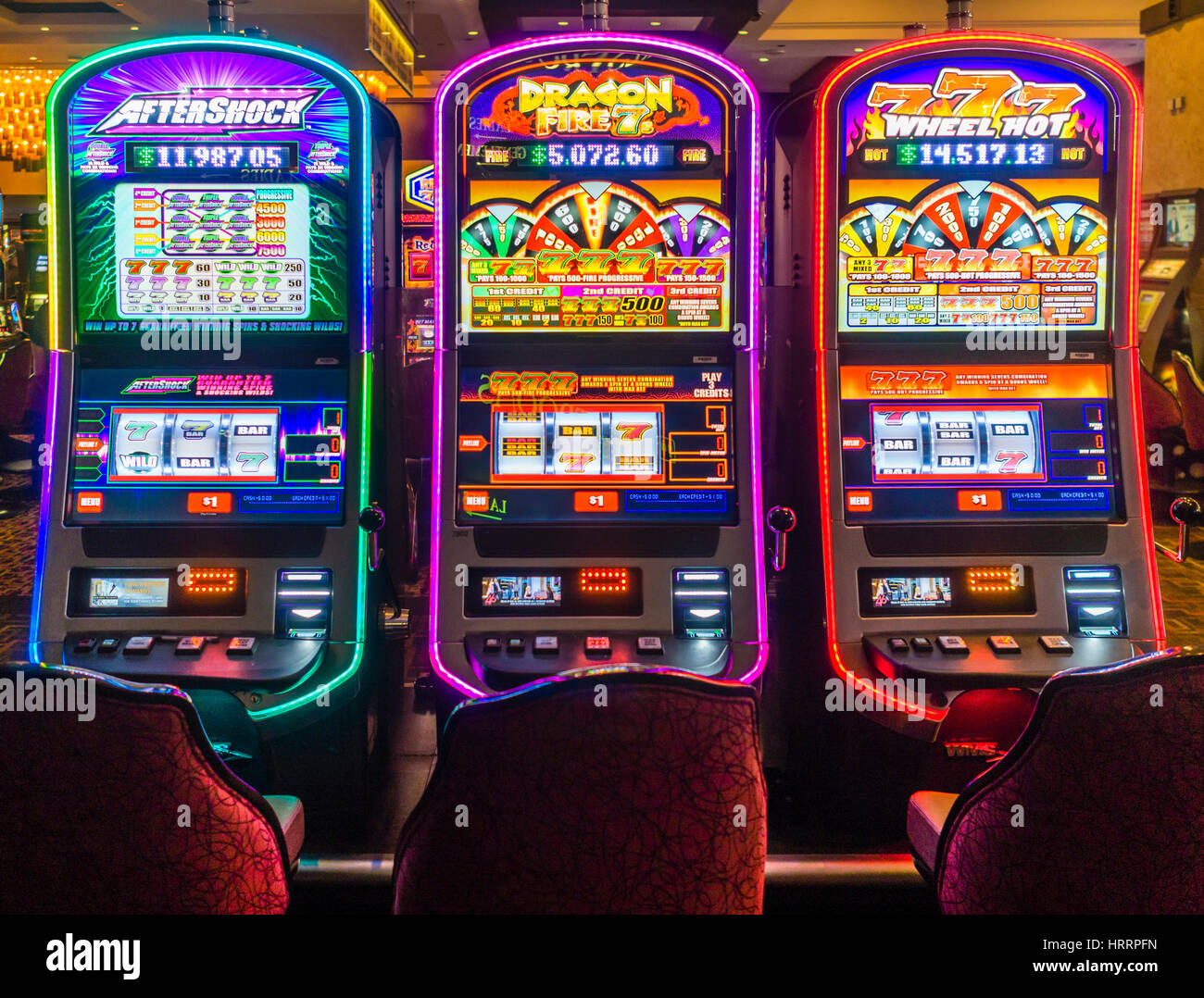
Not all casino games are uniformly aggressive in their design, and comprehending the structural differences between categories is essential for anyone attempting to gauge their own risk level. Video slots lead most online lobbies, and they are designed for high event frequency. Rapid spin speeds, near-miss animations, and variable reward schedules form a sensory loop that can erase time awareness within minutes. The return-to-player percentages on these games typically sit between 94% and 97%, but that figure materializes over hundreds of thousands of spins. In a single session lasting an hour, variance can swing wildly, and the psychological impact of a long losing streak followed by a sudden bonus round is exactly what keeps the experience captivating—and potentially dangerous for someone who pursues that feeling.
Table games such as blackjack and baccarat function at a slower tempo and present more opportunities for strategic input, though the house edge stays fixed. A player who studies basic blackjack strategy can reduce the house advantage to around 0.5%, but that still means the casino wins over time. Live-dealer games add a social dimension that can either stabilize the experience or heighten it, depending on the player’s personality. Sports betting, which Andromedasino Casino also offers, presents a different rhythm entirely. Wagers are placed, and then the outcome develops over ninety minutes or more. That longer cycle can reduce the compulsion to bet repeatedly, but it can also stimulate larger single stakes because the event seems more predictable. The responsible approach is to align game choice to personal vulnerability. Someone who misplaces track of time easily should avoid high-speed slots. Someone who overestimates their predictive skill should cap sports stakes strictly.
Smartphone Access and the Dissolving of Gambling Limits
The transition from desktop to mobile has changed the geography of gambling more than any other particular development in the past decade. A casino that once took up a specific room in a particular building now lives in a pocket, reachable during a commute, in a lunch break, or in the final minutes before sleep. Andromedasino Casino offers a mobile-responsive platform that reflects the full desktop experience, including live-dealer streams, sportsbook markets, and account management tools. The technical achievement is real, but the behavioural implications merit scrutiny. When gambling divides screen space with social media, work email, and family messaging apps, the activity can begin to feel as routine as checking the weather—and that normalisation is where boundaries erode.
The responsible use of mobile gambling requires environmental awareness. Playing in bed, for instance, combines two activities that should remain apart: rest and financial risk. Notifications from casino apps can serve like the variable rewards that drive slot machine engagement, luring a player back into the platform at moments of boredom or stress. The remedy is not to abandon mobile access entirely but to impose structural limits. Deleting the app and using only the browser version adds a small barrier. Turning off push notifications removes the external trigger. Setting a device-level screen time limit for gambling-related sites establishes a hard stop that does not depend on willpower in the moment. The goal is to guarantee that the convenience of mobile access does not quietly dismantle the boundaries that a player has defined for themselves.
Recognising When the Activity No Longer Fits Your Life
The most difficult question in the controlled gambling conversation is not “Am I spending too much?” but “Has this stopped being fun?” Enjoyment is subjective, but its absence inclines to produce observable patterns. A player who feels irritable when a session ends without a big win, who conceals the extent of their play from a partner, or who finds themselves depositing again immediately after a withdrawal has likely crossed from entertainment into something more compulsive. These signals rarely announce themselves dramatically. They gather in small moments—a slightly larger deposit than planned, a slightly longer session than intended, a slightly sharper emotional response to a losing streak.
Practical self-assessment tools are present and are worth using sincerely. The self-exclusion scheme GamStop allows UK players to block themselves from all licensed operators for a chosen period, and Andromedasino Casino supports this programme alongside its own account-level exclusion options. Taking a break does not require hitting rock bottom. A two-week cooling-off period can reset perspective and reveal whether the urge to gamble was casual or compulsive. Financial health checks are equally crucial. A simple rule is that gambling money should come exclusively from disposable income after all essential expenses and savings contributions have been met. If a player cannot say with certainty that their gambling budget meets that standard, the activity no longer fits their current circumstances. The responsible decision at that point is not to adjust the budget but to stop entirely until the wider financial picture settles.
- Track every session’s net result for one month, including deposits, withdrawals, and time spent, to see the full picture beyond memory.
- Establish a concrete monthly loss limit that is low enough to feel slightly restrictive—comfort is a warning sign that the limit is too high.
- Schedule at least two consecutive gamble-free days per week to prevent the activity from becoming a daily habit.
- Tell one trusted person about your limits and ask them to check in periodically; secrecy encourages the problem.
- Use the platform’s reality-check feature to receive on-screen session duration alerts every 30 minutes without exception.
Building a Custom Framework That Endures Beyond the Sign-Up Stage
The features that Andromedasino Casino and other regulated operators offer are necessary but inadequate on their own. Deposit limits, goal.com time-outs, and self-exclusion options form the safety net, but the player is the one who determines whether to walk the tightrope in the first place. Building a long-term gambling framework means setting down personal rules before logging in, not after a loss. Those rules should define a maximum single-session deposit, a minimum withdrawal trigger for winnings, and a hard stop time that is implemented by an external alarm rather than the platform’s optional reminder. The act of writing turns the commitment tangible and harder to rationalise away in the heat of a session.
Equally important is the determination about what role gambling plays in a broader leisure portfolio. A person who has no other hobbies, or who uses gambling to flee ongoing stress, is structurally vulnerable regardless of how many responsible gambling boxes they tick. The best relationship with a platform like Andromedasino Casino is one where the casino vies for time against other genuinely enjoyable activities—exercise, socialising, reading, creative projects—and does not always win. When gambling becomes the default activity for filling empty time rather than a intentional choice among several options, the risk profile shifts. The framework should therefore contain a rule about diversification: no more than a set percentage of weekly leisure time goes toward gambling, and the rest must be allocated on activities that do not involve financial risk. That rule protects not just the bank account but the psychological space that gambling can quietly colonise.
Responsible gambling is not a goal that a player arrives at once and then ignores. It is a continuous practice of self-observation, honest accounting, and readiness to adjust limits downward when life gets more complicated. The question raised by the title of this article—whether responsible gambling is right for you—ultimately boils down into a simpler inquiry: can you keep the activity in a box that you control, or does the box keep breaking open? If the answer is unclear, the only responsible move is to stop, reassess, and return only when the boundaries hold firm. The platform will still be there. The real win is recognizing you can walk away.
